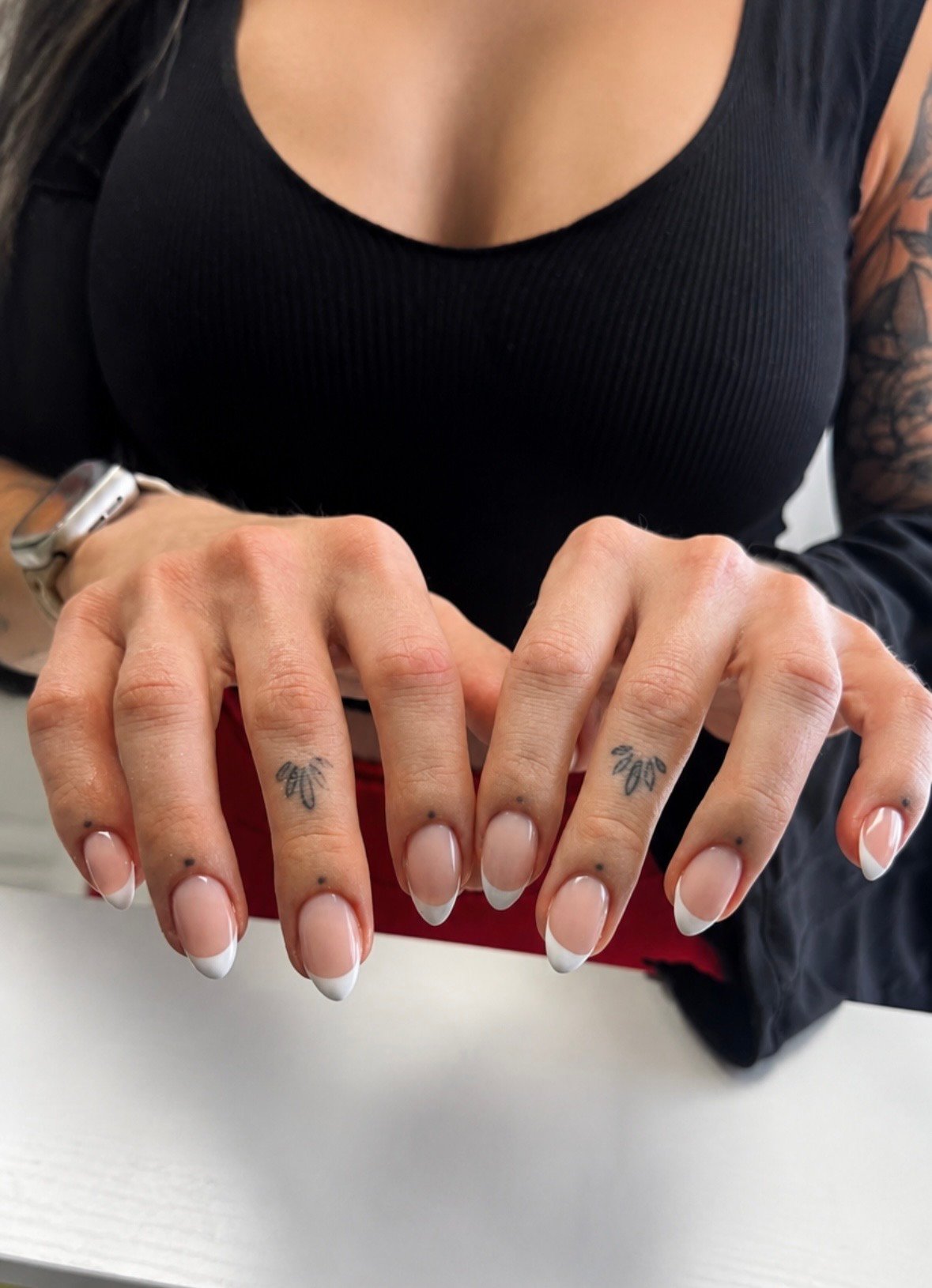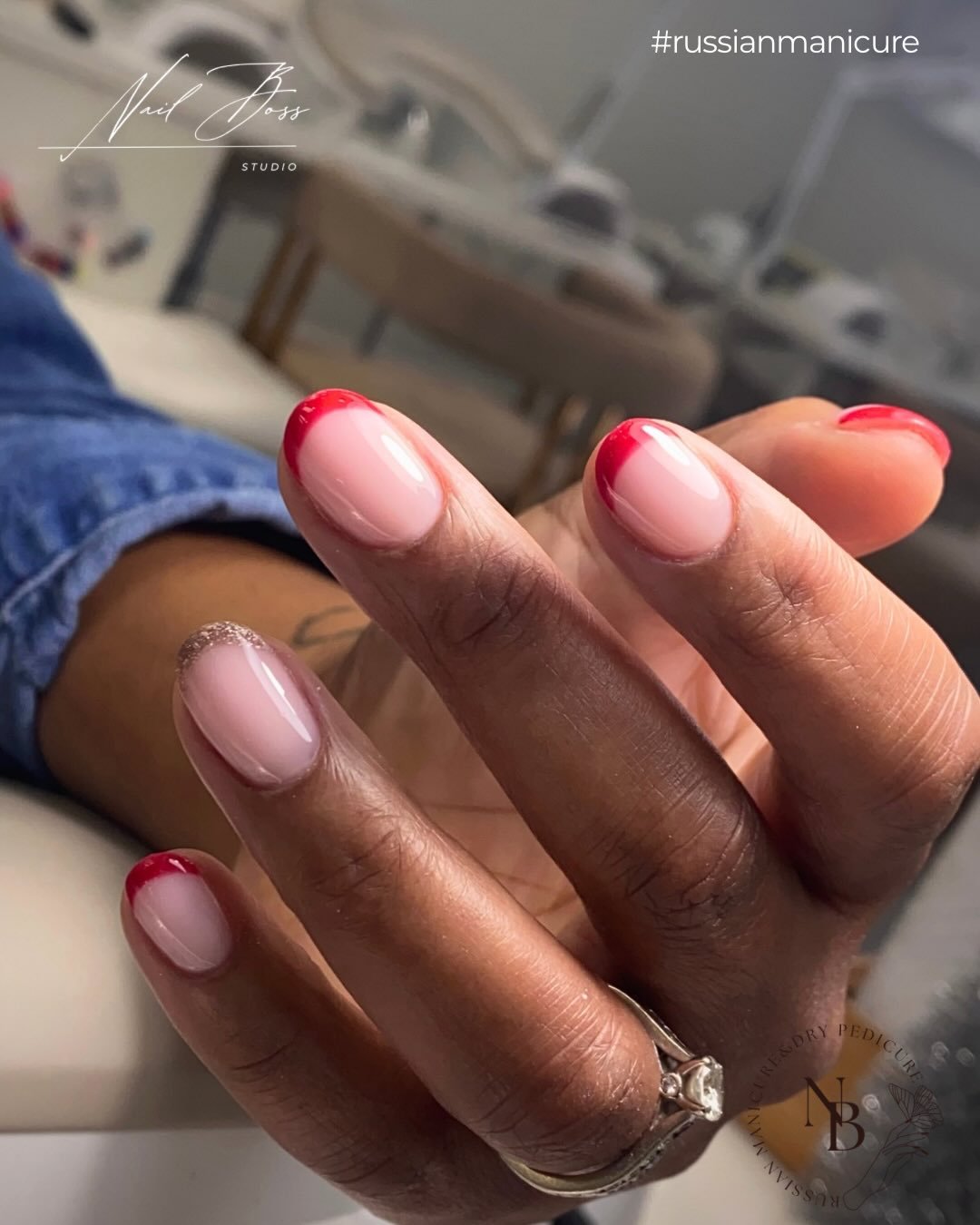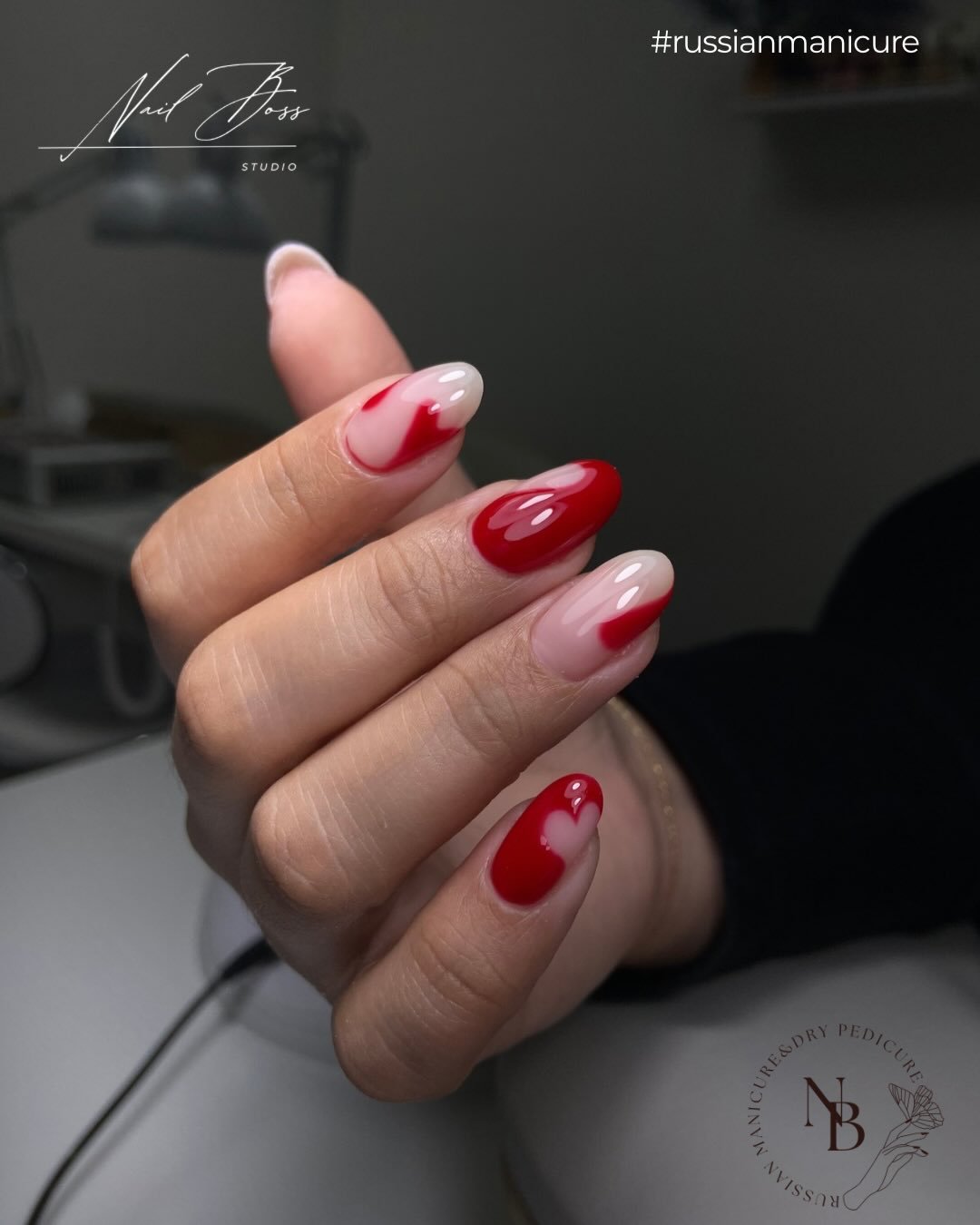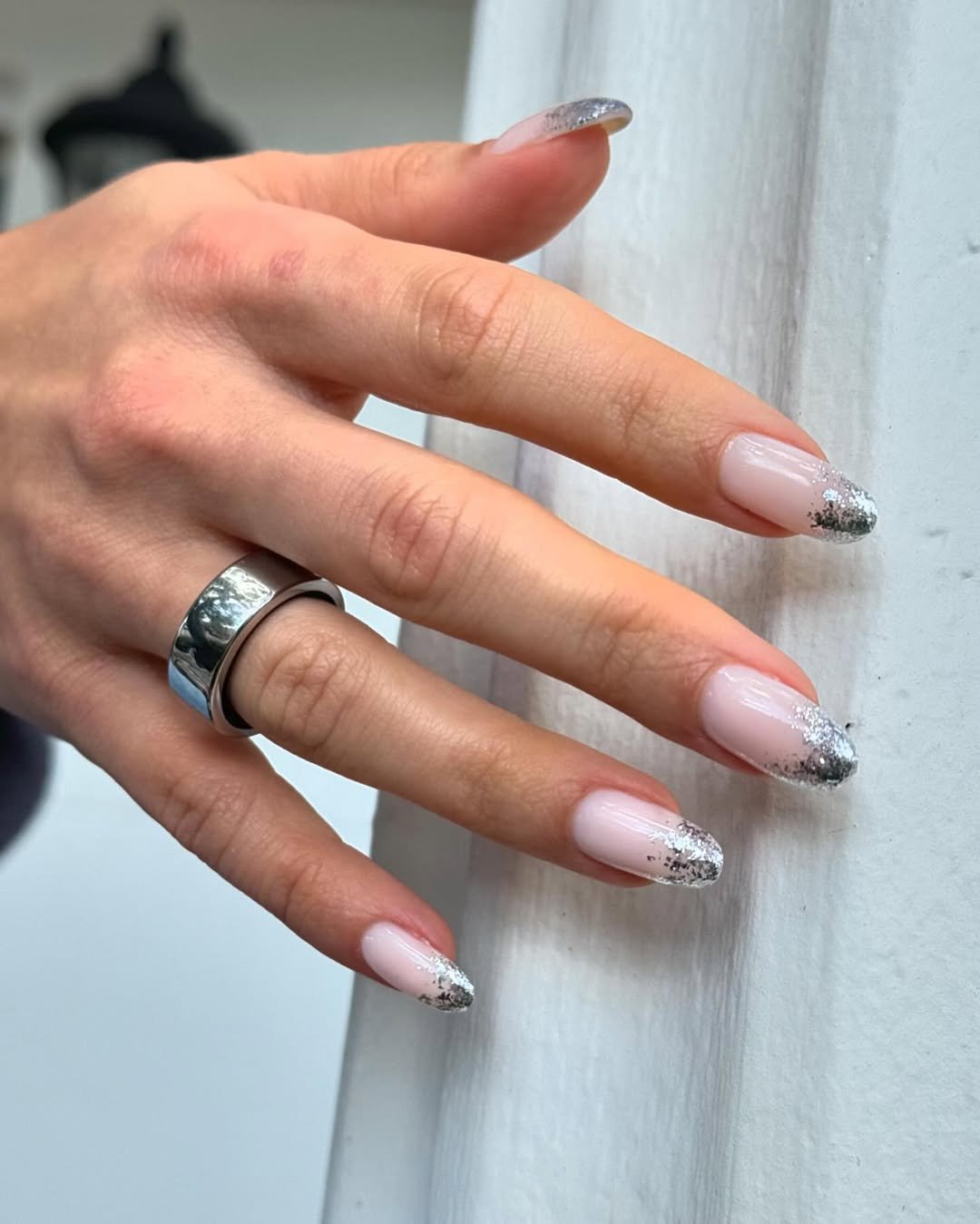
A dry manicure Tampa appointment is exactly what the name suggests: the nail is prepared without a traditional soaking bowl. For clients traveling from Westchase, Westshore, Town ‘n’ Country or Citrus Park, the appeal is often the precision of the process. Working on a dry surface allows the technician to see the natural nail clearly, shape with intention and prepare for a close, polished color application. The finished look can be minimal or expressive, but the method underneath remains careful and controlled.
Why the service stays dry
Water temporarily changes the feel of the nail and surrounding skin. In a dry service, the technician works with the nail in its normal state. That makes it easier to evaluate surface texture, growth direction and the amount of preparation that is appropriate for the individual client. It also creates a consistent base for product application when gel color, rubber base or builder gel is part of the selected service.
Dry does not mean harsh. Tool choice, speed, pressure and technique should be adapted throughout the appointment. The purpose is to create a neat perimeter while respecting the condition of the skin and natural nail. A professional should pause when something looks irritated or unsuitable for cosmetic work. Clients should always speak up about sensitivity, prior reactions or discomfort before the service begins.
What happens during the appointment
The technician first reviews the existing length, shape and any material already on the nail. After removal when needed, the nails are shaped and the surrounding area is prepared. Product is then selected according to the booked service. A classic service may finish without color, while a structured option adds a base designed to support the chosen length and final look.
The color stage comes later than many clients expect. That is intentional. A dry manicure spends time on the details that remain visible even when the shade is quiet: symmetry, smooth reflection and the relationship between the cuticle line and the free edge. The Nail Boss Studio gallery shows how different colors can share the same clean foundation.
Safety and communication belong in the process
A beauty service should never be painful. Mild sensation can happen during detailed work, but sharp heat, pinching or persistent discomfort is a reason to stop and communicate. Tell the technician about allergies and previous product reactions. Do not cover a concerning nail change simply for an event; cosmetic camouflage can make it harder to notice whether the condition is changing.
For general hygiene, the CDC’s nail-hygiene guidance recommends keeping nails clean and notes that cuticles act as a barrier. Salon technique should be individualized and careful, and at-home picking should be avoided. Clean-looking results are most meaningful when client comfort and responsible practice remain part of the conversation.
How to prepare and care for the result
Come with a realistic idea of the length you can maintain. Bring inspiration, but expect the technician to translate it to your hand rather than duplicate every detail. If another salon’s product is present, add removal during booking. This keeps the appointment from feeling rushed and gives the technician time to assess the natural nail once the old material is gone.
Afterward, apply cuticle oil, moisturize and wear gloves for cleaning or gardening. Westchase routines often include pool time, workouts and long drives across Tampa; none of those require fussy nails, but they do reward practical aftercare. If you are unsure which service fits, review the frequently asked questions or start with the first-time client option in the service menu.
Nail Boss Studio Tampa
Make the preparation as beautiful as the final color.
Choose a classic Russian manicure or structured color service and plan a calm, unhurried visit at Nail Boss Studio Tampa.